U.S., U.K., France Seek More UN Sanctions on Ivory Coast's Gbagbo
The initiative, which requires the unanimous consent of all 15 member governments of the UN Security Council, has met resistance from Russia, Ambassador Vitaly Churkin said.
"We didn't say no, but maybe we are not prepared to accept them," Churkin said. "With this mediation effort by the African Union, my immediate reaction is that it is not very timely. Maybe we will wait a few days, then we will assess the situation and make a decision. Now our priority is this mission of the AU."
The African Union on Jan. 31 appointed the presidents of Mauritania, Burkina Faso, Chad, Tanzania and South Africa to persuade Gbagbo to relinquish the presidency, after Ivory Coast's Electoral Commission said he lost the presidential election on Nov. 28 to Alassane Ouattara. Gbagbo had refused to cooperate with the AU's previous mediator, Kenyan Prime Minister Raila Odinga, accusing him of bias.
The U.S., Britain and France have targeted Gbagbo, his wife, Simone, Chief of Staff Desire Tagro, Foreign Minister Ilahiri Djedje and Pascal Affi N'Guessan, head of the Ivorian Popular Front. They would be subject to an asset freeze and travel ban.
The U.S. Treasury Department last month barred Americans from conducting financial or commercial transactions with the same five people.
Holed Up
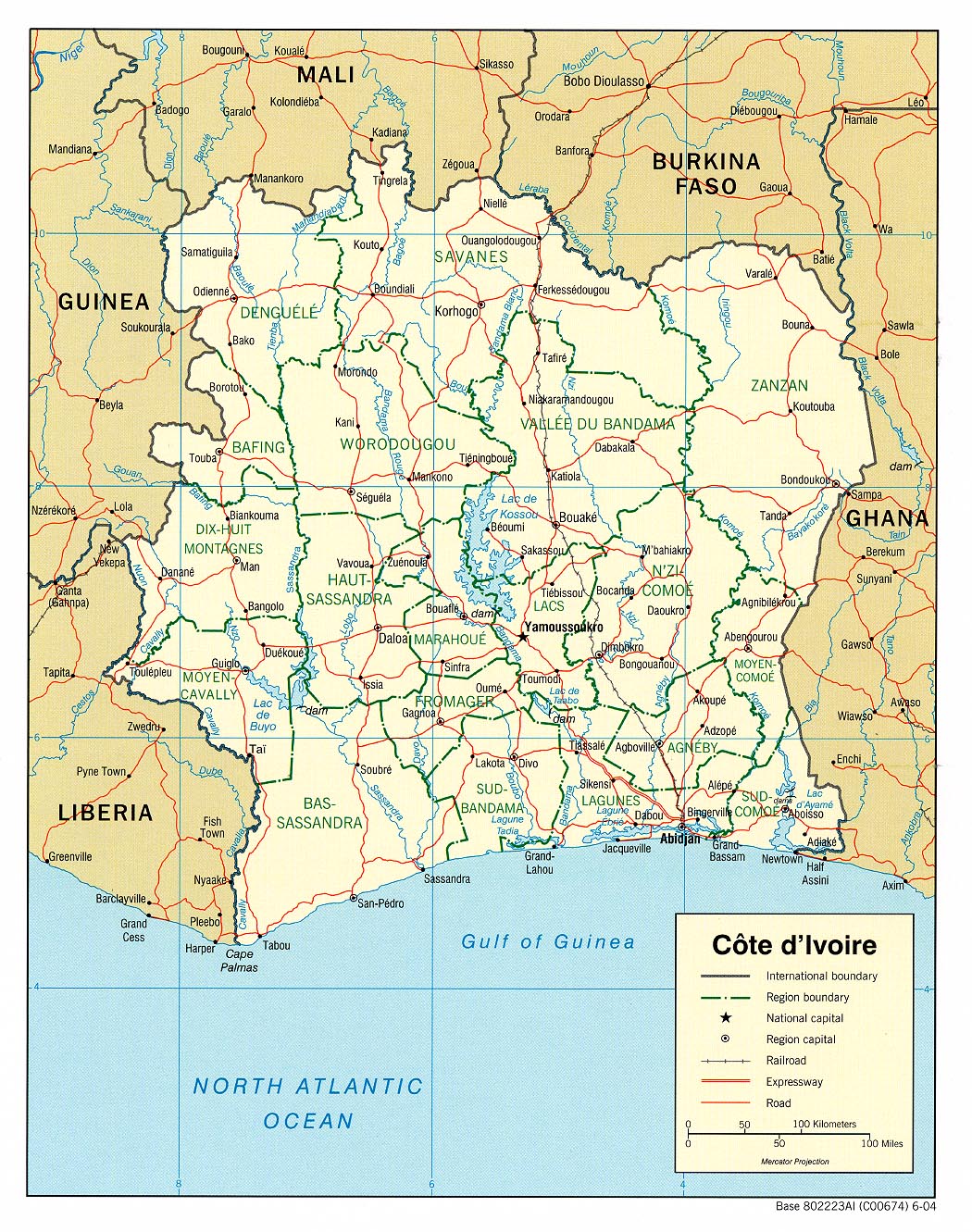
Ouattara, the internationally recognized winner of the November election, remains holed up in the Golf Hotel in Abidjan, protected by UN troops. At least 271 people have been killed in clashes since the election, according to the UN, which has a peacekeeping mission in the country.
The UN peacekeeping mission in Ivory Coast "may be the first peacekeeping mission that stays put despite the de facto military authority asking us to leave," Young-jin Choi, head of the UN mission, told reporters after briefing the Security Council today.
Choi said that, while "humanitarian and human rights conditions are worsening," momentum in the crisis was swinging Ouatarra's way due to financial pressures on Gbagbo.
Financial sanctions are "beginning to bite" and pressure is growing to force Gbagbo to step down, U.S. Ambassador Phillip Carter said today in Washington.
Gbagbo has been seizing bank assets, stealing money from corporations and extorting local businesses to fund his regime in an effort to maintain power, Carter told reporters at the State Department.
Feeling Pressure
"Gbagbo is beginning to feel the pressure," Carter said. "Trade is slowing down."
Calling Gbagbo "a pretender," Carter said the president depends for his political survival on the loyalty of his security forces. Economic sanctions, Carter said, are beginning to weaken Gbagbo's grip.
"He has security forces backing him up," Carter said. "If he can't pay them, what are they going to do? How loyal are they going to be?"
Cocoa, used in chocolate, has climbed about 14 percent since the election. Cocoa for March delivery fell 2.4 percent to 2,139 pounds ($3,444) a ton on NYSE Liffe today.
Ivory Coast failed to pay interest due at the end of January, after a 30-day grace period, on $2.3 billion of Eurobonds.
To contact the reporters on this story: Bill Varner at the United Nations at wvarner@bloomberg.net; David Lerman in Washington at dlerman1@bloomberg.net.
To contact the editor responsible for this story: Mark Silva in Washington at msilva34@bloomberg.net

No comments:
Post a Comment