Wednesday, November 15, 2017

USA Africa Dialogue Series - IN STEP with African Women as Leaders Business and Politics. The AU launched the Gender and Development Initiative for Africa under the auspices of President Akufo-Addo of Ghana



 IN STEP with African Women as Leaders Business and Politics. The AU launched the Gender and Development Initiative for Africa under the auspices of President Akufo-Addo of Ghana


12 hours ago


AFRICA MUST ENGAGE ITS WOMEN IN DECISION MAKING PROCESS - Ghanaian President Akufo Addo

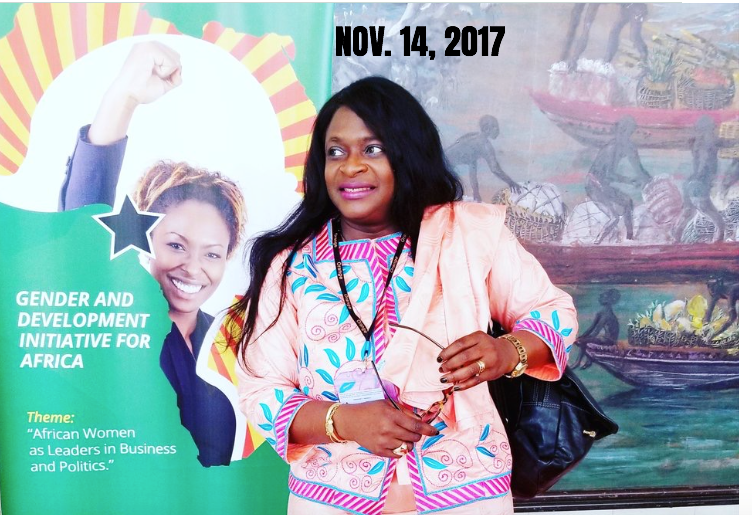
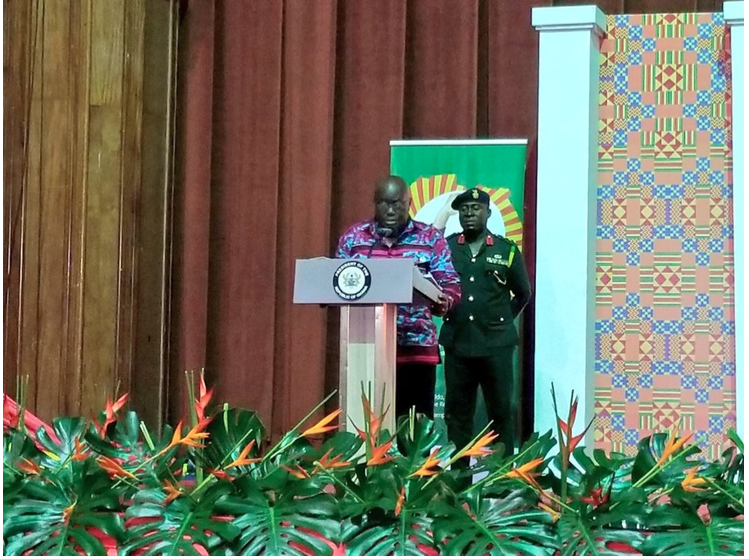
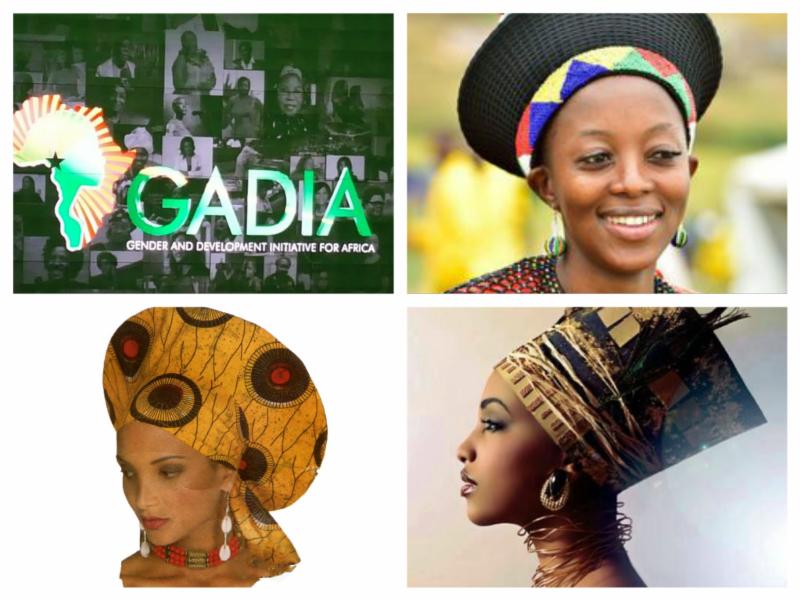
The African Union Gender and Development Initiative for Africa (GADIA), under the auspices of Ghana's President, Nana Addo Dankwa Akufo-Addo, was  launched in Accra, Ghana on November 14, 2017 on the theme: "African Women as Leaders in Business and Politics."
 
President Akufo-Addo is the Chairperson of the African Union's Committee on Gender and Development.


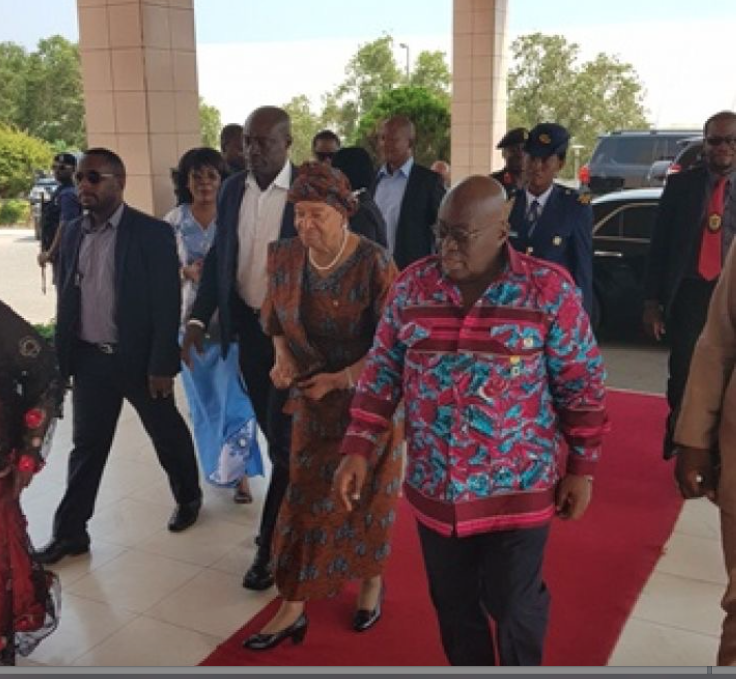
On Arrival: 
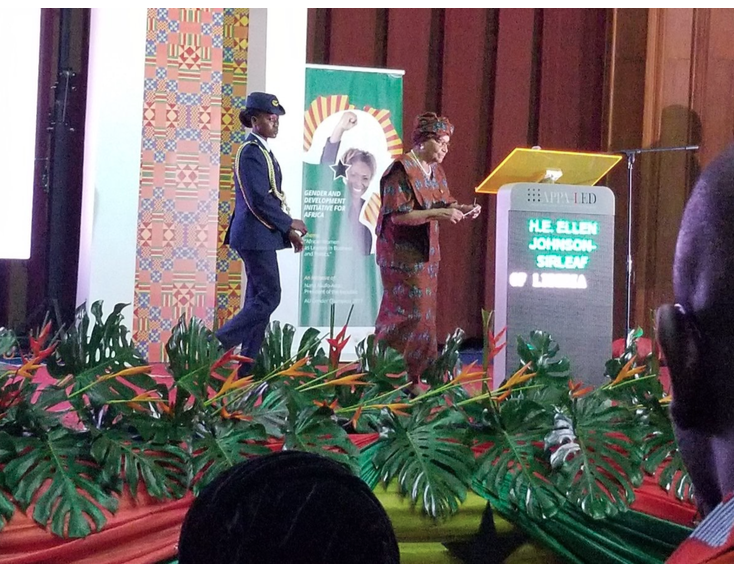
 Special Guest of Honor: President Ellen Johnson-Sirleaf of Liberia

Nana Akufo-Addo @ NAkufoAddo

"I am currently at the Accra International Conference Centre, to launch my Gender and Development Initiative for Africa under the theme, "African Women as Leaders in Business and Politics."
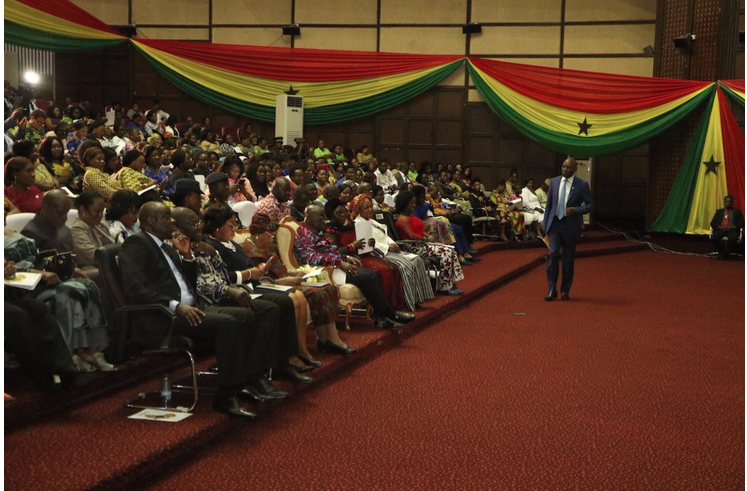
The event took place at the Accra International Conference Center. The flagship GADIA is structured around the Pillars of "Developing Women's Economic Empowerment through the Private Sector and "Increasing Women's Political Participation. "
The two pillars, Business and Politics, are  central to the ability of the African Woman to attain gender parity, which is coherently aligned with the AU Agenda 2063 and the UN Sustainable Development Goals.
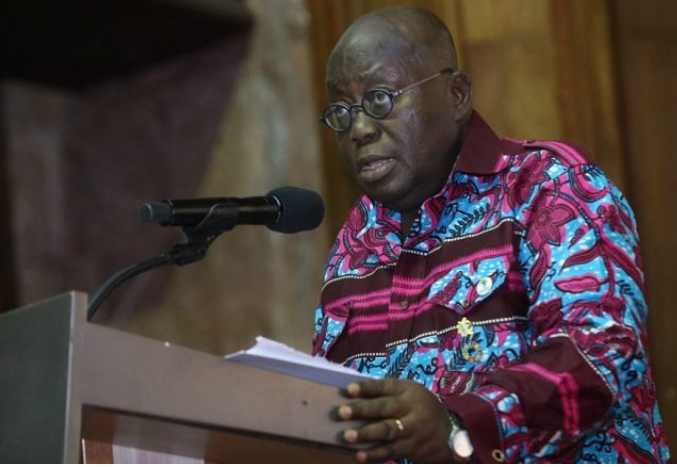
Ghanaian President Akufo-Addo and African Union Leader on Gender and Development.
President Akufo Addo says ensuring women's participation in Business and Politics on the African Continent is a must if the Nations of Africa are to deal with wide spread poverty, ignorance and disease and to put the continent on the path of sustainable progress and prosperity.

President Akufo-Addo engaged the conferees and  told the assembled that as a gender champion, he was obliged to mobilize political support to help transform Africa into an exemplary continent with "sound policies and solid programs to successfully change the fortunes of women in the society.
He was emphatic in his stance that leadership ought to put the continent ahead in the promotion of gender equality, saying that this must be done by working fully with women leaders to develop solutions to achieving this aim.
He stressed that  Africa will do itself a disservice if women are left out of its developmental efforts. He added that it is his considered opinion that Africa and the rest of the World ought to give women a blanket protection to all women and to ensure that their rights become the bed rock of equally and social justice.
12 hours ago
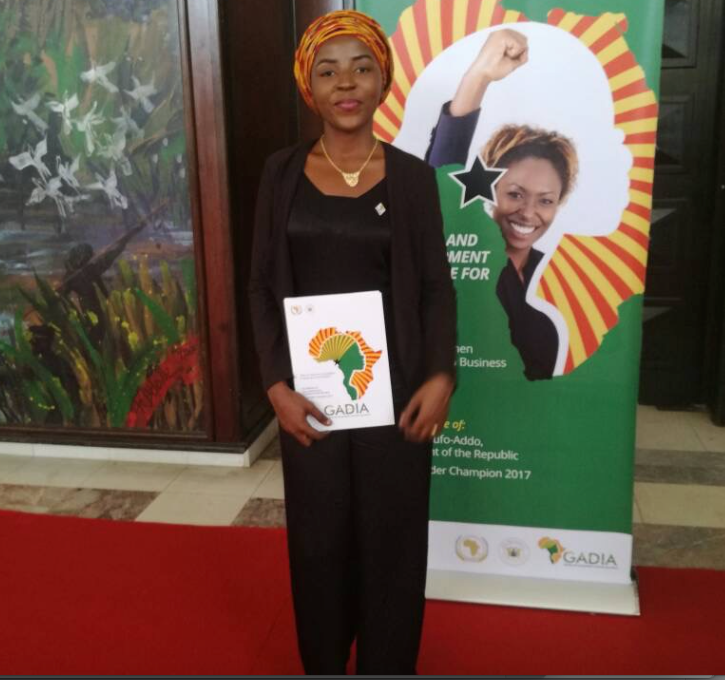
Saadah Lawal represented the League of Young Female Leaders, a startup non-profit focused on girls' empowerment through mentorship, advocacy and literacy development. 

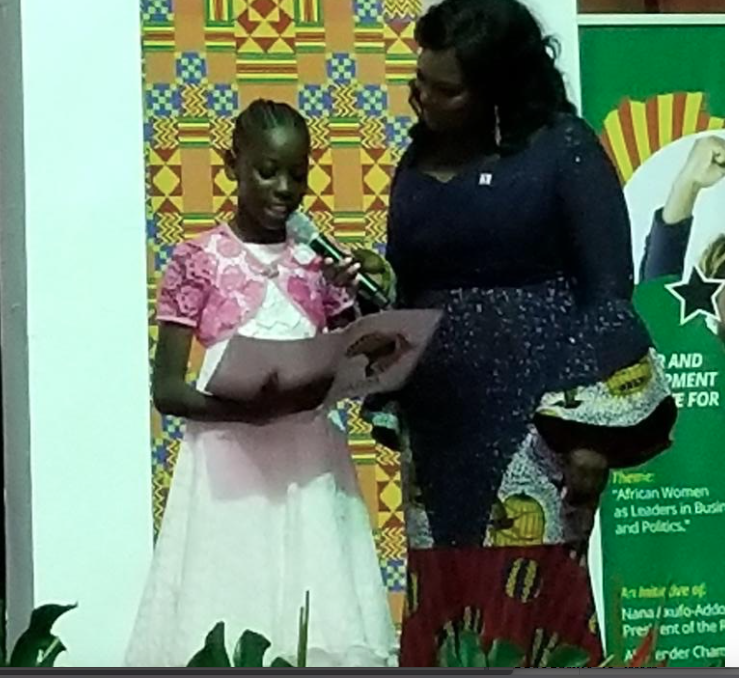
11 years Rebecca wants to be a journalist.
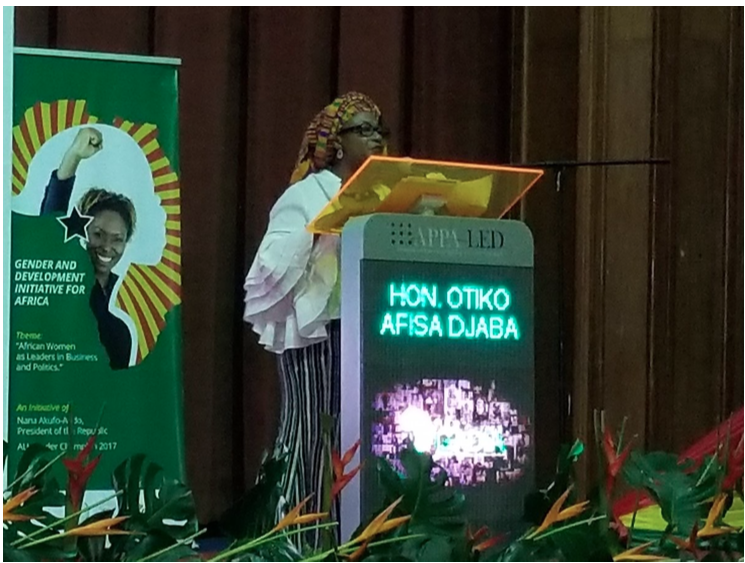
Ghanaian Minister of Gender, Children and Social Protection: 
H.E Otiko Djaba

Ghana's Minister of Gender, Child and Social Protection, H.E. Otiko Gyaba, commended President Akufo-Addo for championing the course of Ghanaian women and the African women at large. She said the introduction of the Free Senior High School policy was certainly a "ladder towards the educational carrier for women."

At hand and saluting the launching of the GADIA, Ghana's Minister of Business Development, H.E. Awal Mohammed Ibrahim,  noted that Africa loses 6% of its GDP annually as a result of not fully engaging its women in decision making process and participation in the productive sectors of the economy.

The out going President of Liberia, H.E. Ellen Johnson Sirleaf, the special guest of honor, applauded her colleague and charged President Akufo Addo to do everything possible to promote the interest of women and identify the many women who need just a little push to be able to fulfill their ambitions in business and politics.

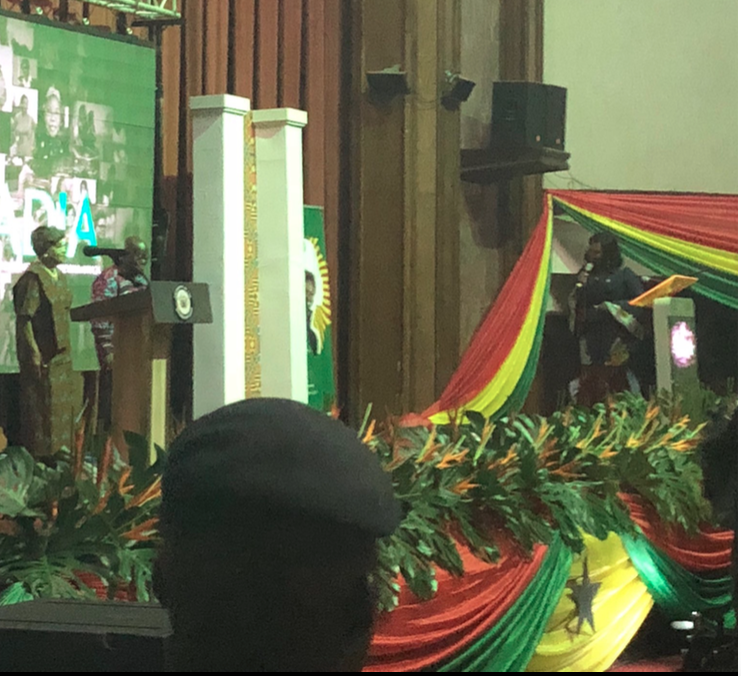
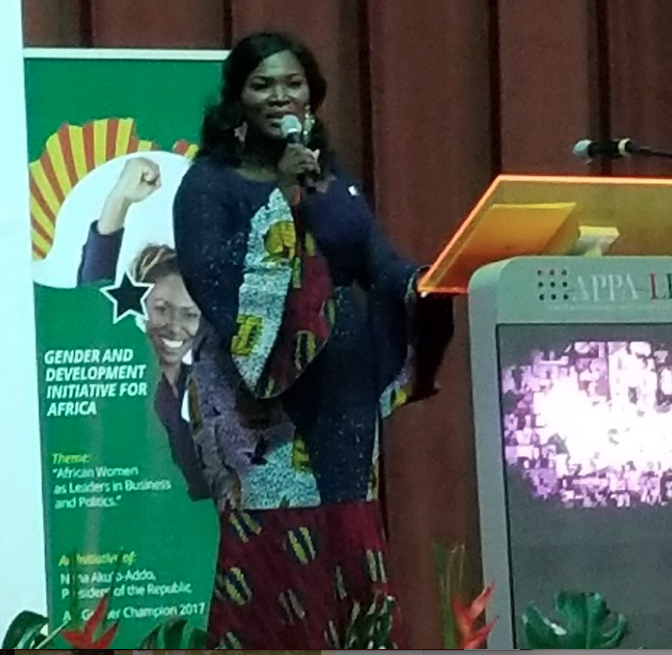
President Johnson-Sirleaf, standing with President Akufo Addo, was introduced by Ghanaian Foreign Minister, H.E. Shirley Ayorkor Botchway (below.)
The GADIA program of activities will strive to deliver a positive socio-economic impact on the lives and livelihood of African women. 
Currently,  key amongst these activities are: The African Women's Business Summit (AWBS), The Women in Political Service Initiative (WIPSI), African Business Women's Index (ABWI) and the African Women's Centre for Business Excellence.
A coalition of Member State women organizations based in the Diaspora with record of accomplishments in Africa is planning to launch a collaborative to complement the GADIA efforts on the ground.
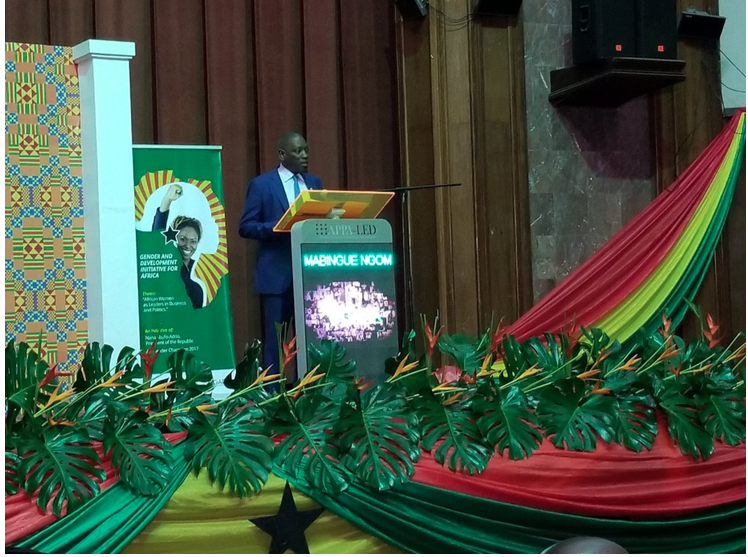
Mr. Mabingue Ngom, Regional Director of  United Nations Population Fund for the West Africa region and Central commits his agency's support.

In July 2017,  President Nana Addo Dankwa Akufo Addo was appointed the African Union Leader for Gender and Development by the Chairperson of the African Union (AU) by H.E. Alpha Conde, President of the Republic of Guinea.
He was also named the Gender and Development Champion for his work in promoting gender parity and socioeconomic development of women and girls in Africa. The appointment and recognition necessitated the creation of the GADIA to help execute all gender related matters in the AU Agenda 2063.
You can  join African Ladies with Hats and Hearts to Sensitize and Promote the GADIA with Take Home Points for Workshops and Resources at the April 24-28, 2018 at the Twin Conference on Trade and Investment with Impact on Inclusive Growth in Africa and Migration & Development as Driver of Sustainable Growth.


Heart
The Take Home Points have been articulated by the African Union.

Equal access to high level political positions that ensure women are given equal opportunities in all vacant positions open for political appointment within the African Union, including joint nominations with the United Nations. 

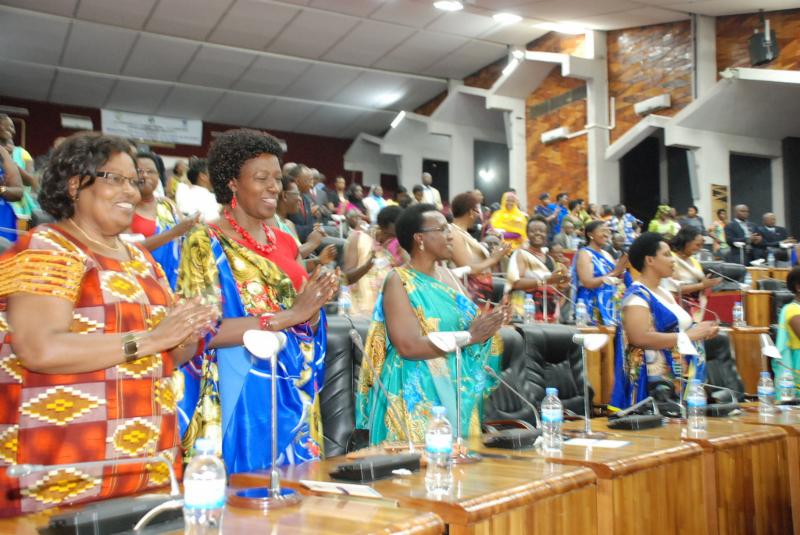
Rwanda has the highest percent of women in parliament in the world - 64%.

Within the next seven years by 2025, the legislative assemblies and public offices of AU Member states will be made up of at least 30 per cent of women. Rwanda was recently ranked 4th by the World Economic Forum's report on gender equality and Mali has since set-up a fund for women in politics. 

African Women: Changing the Narrative -

 Agriculture Retire the Hoe to the Museum


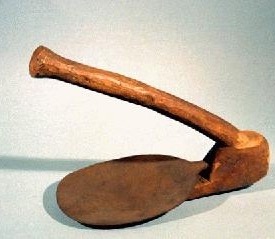
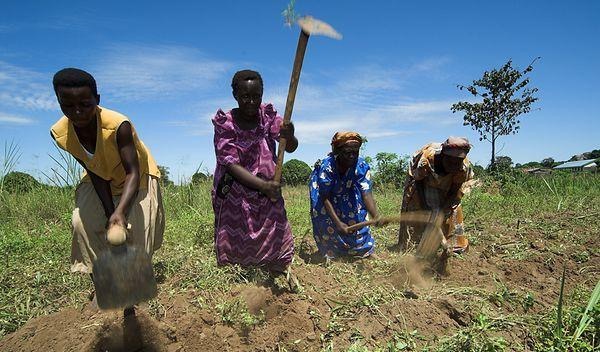
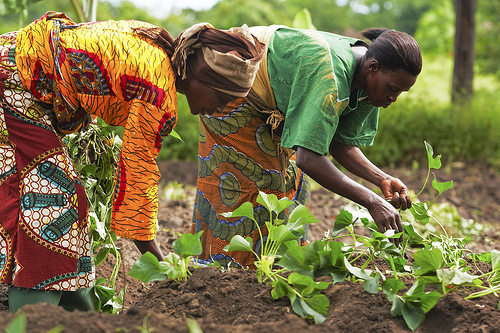
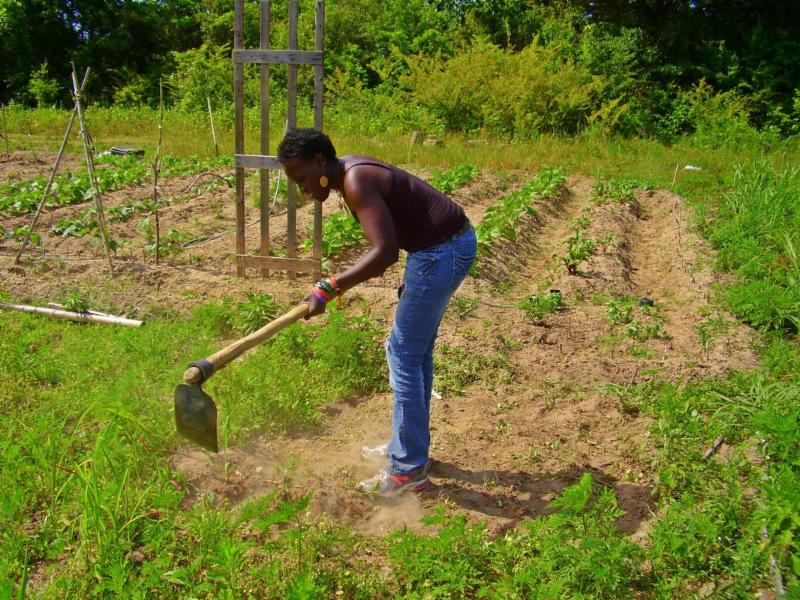
Agriculture in Africa is largely driven by women but they continue to use outdated tools like the handheld hoe to till the soil. 


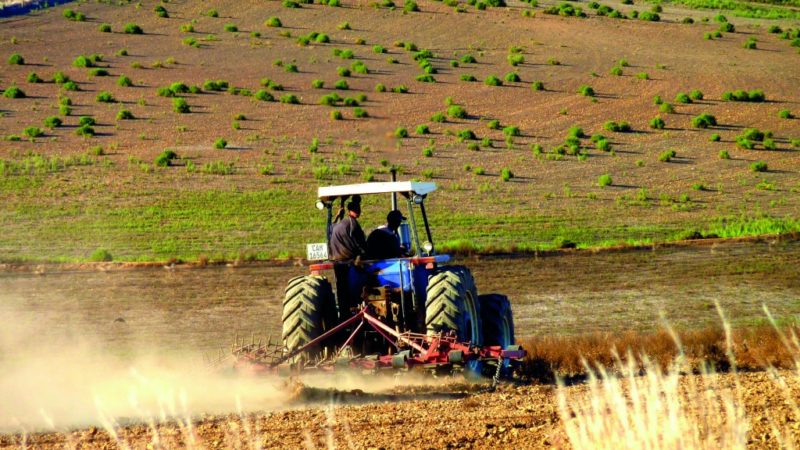
In 2015 the launched a campaign "Retire the Hoe to the Museum" to end the use of handheld hoes by 2025. The campaign is to also ensure that women have access to 30 per cent of documented land rights compared to the current 4 per cent. 

Increase women access to finances and markets as a means of opening up economic opportunities and also to win the war on poverty and economic exclusion.


Beyond  "micro-finance solutions," financing should enable women to grow businesses  with the objectives of the Continental Free Trade Area. "Public and private procurements account for 30% of the GDP of many of our countries. However, the share of women owned-businesses is less than 1%. Agenda 2063 calls for allocating at least 25 per cent of public procurements to women-owned businesses.

Attainment of the Universal Ratification of the Protocol to the African Charter on Human and People's Rights on the Rights of Women to eliminate discrimination against women and to ensure the protection of their rights as stipulated in international declarations and conventions. 

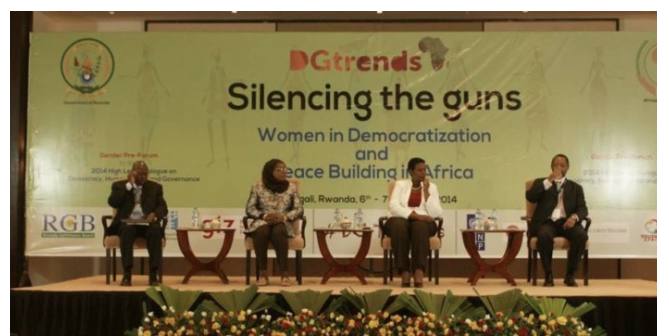
Among the priorities is meeting AU's initiative of "Silencing the guns by 2020" by ensuring at least 30 per cent representation of women at the negotiation table and to fight against conflict related violence against women. 


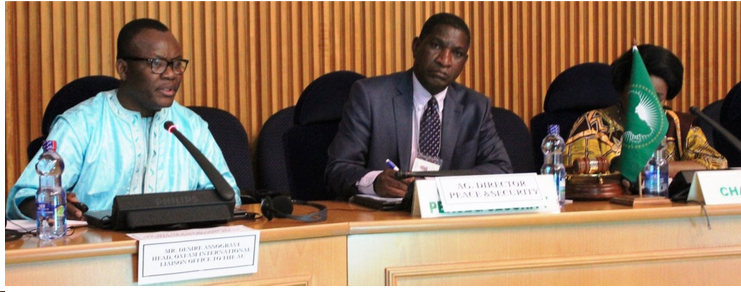
In June 14, 2017, Désiré Assogbavi (left) addressed the AU Peace and Security Council on the invitation by the Commissioner on Silencing the Gun in Africa. He gave a presentation titled: Silencing the Guns in Africa by 2020: How Can we get there?

In October 2017, at the invitation of the AU Commission Chairperson,  he also made a Presentation on AU ECOSOCC Reform: Click

Mr. Assogbavi is the Chief of the United Nations population Fund Liaison Office and Representative to the African Union and the UNECA in Ethiopia.

End child marriage: Traditional harmful practices and preventable maternal mortality are also among the priorities of the African Union.


Based on publications by the International Center for Research on Women, child brides often show signs symptomatic of sexual abuse and post-traumatic stress such as feelings of hopelessness, helplessness and severe depression.

Zambian President Edgar Lungu is Africa's Leader on Ending Child Marriage in Africa.
President EDGAR LUNGU OF ZAMBIA SHOW HIS SKILLS
President EDGAR LUNGU OF ZAMBIA SHOW HIS SKILLS: Match the Skills to Support End of Child Marriage.

CHILD MARRIAGE
It is a tragedy in any culture or religion

The African Charter on the Rights and Welfare of the Child (ACRWC) defines a child as a person under the age of 18 years, and the African Youth Charter defines a minor as a person between the ages of 15-17.

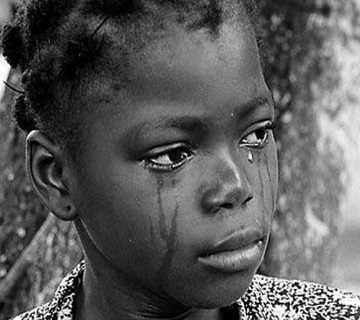
Child marriage is a human rights violation that prevents girls from obtaining an education, enjoying optimal health, bonding with others their own age, maturing, and ultimately choosing own whom they wish to marry. 

Africa's population of girls under 18 is predicted to rise from 275 million today - 25 percent of the global total - to 465 million by 2050, 38 percent of the total. 

Africa has the second highest rates of child marriage in the world after South Asia. At least 30 percent of girls are forced into becoming wives before age 18.

Driven by poverty and cultural norms, the multiple effects on girls' health range from increased risk for sexually transmitted diseases, cervical cancer, malaria, death during childbirth, and obstetric fistulas. Girls' offspring are at increased risk for premature birth and death as neonates, infants, or children.

In a recent report, the United Nations Children's Fund (UNICEF) said the number of child brides in Africa will more than double by 2050 if current trends persist because of rapid population growth and limited social change. Africa will overtake South Asia as the region with the largest number of child brides.

"The sheer number of girls affected, and what this means in terms of lost childhoods, and shattered futures, underline the urgency of banning the practice of child marriage once and for all," UNICEF Executive Director Anthony Lake said in a statement at the start of a two-day African Union Summit in 2015 on ending child marriage. "Each child bride is an individual tragedy.

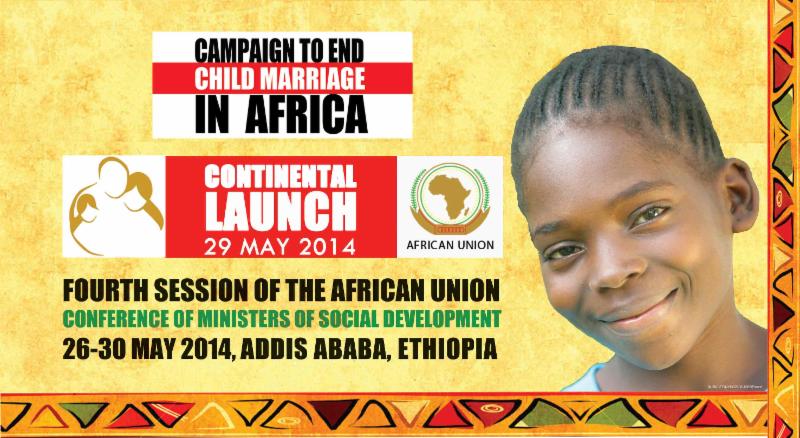
In May 2014 AU launched a two campaign to end child marriage in Africa and the AU Commission developed a four day course to redress Child Marriage and other harmful practice. 

More Member States rose to the challenge to eliminate the tragedy but the malady continues.

To stop child marriage, policies and programs must educate communities, raise awareness, engage local and religious leaders, involve parents, and empower girls through education and social support. 

An inspiring story...


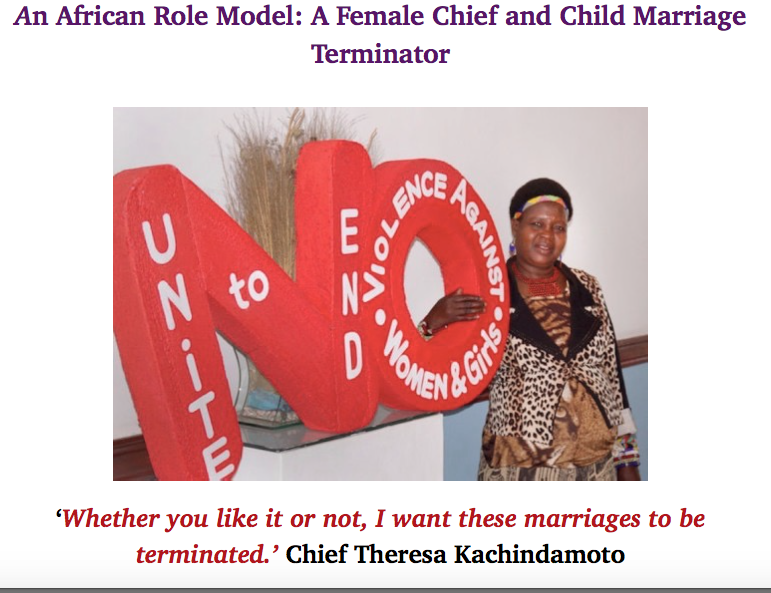
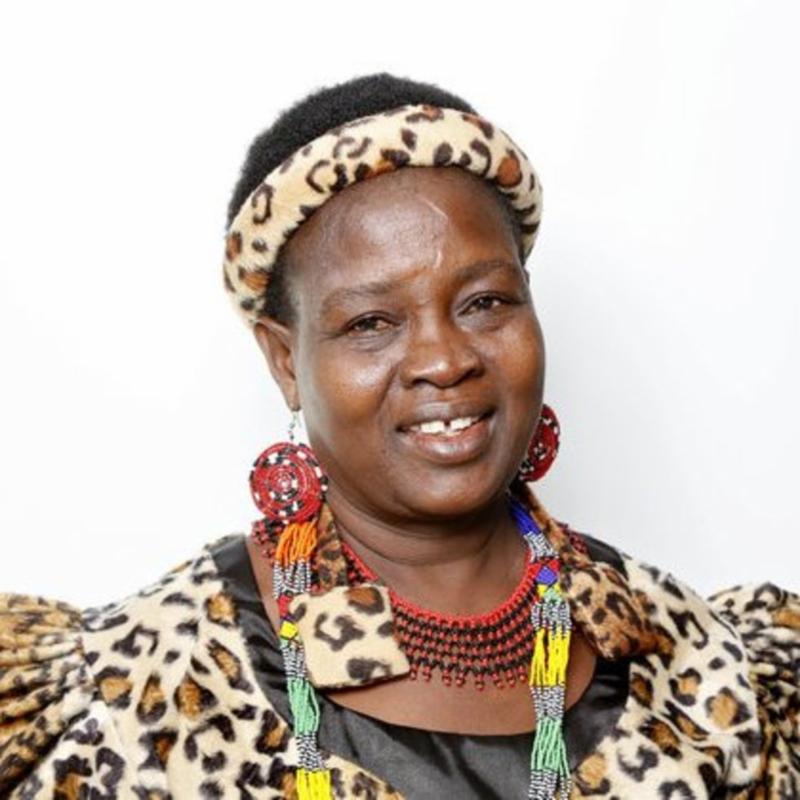
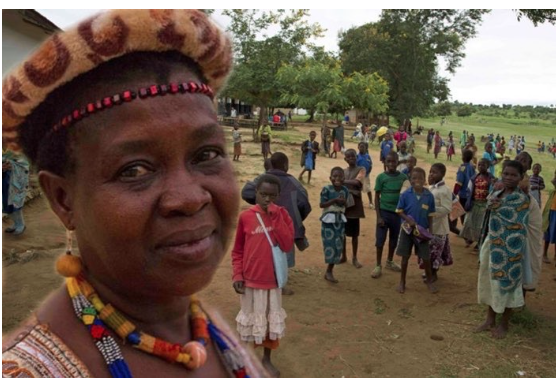
The lady, Theresa Kachindamoto, is a senior chief in the Dedza District in Central Malawi and wields power over close to 900,000 constituents. She does not blink in using her authority to help the women and girls in her district. Her no-nonsense attitude and effective measures have made her a vital ally in the fight for women's and children's rights.

Fifteen years ago, she could not have conceived of ever leaving her job of 27 years as a secretary at a city college in Zomba, another district in Southern Malawi, to become a Senior Chief. However, the decision is proving fateful in the larger African society.

While marrying under age 18 in Malawi has been illegal since early 2015, one of two children is a child bride and girls can still be married under a so-called "customary law," with parental consent and acknowledged by tradition. This happens in other African communities where cultures escape the radar of the law.

As if it is not enough, in Malawi, the girls are sent to sexual initiation camps where they have to go through certain "cleansing rituals" and are taught how to please their husbands.


The Chief  got fed up with 12-year-old girls walking around with babies on the hips and took action, requiring 50 of her sub-chiefs to sign an agreement to end child marriage in her jurisdiction. "I told them: 'Whether you like it or not, I want these marriages to be terminated,' Chief Kachindamoto told the news outlet. 

But she didn't stop there: She made the leaders annul any existing underage unions and send all of the children involved back to school, according to the Nyasa Times.

When four male chiefs continued to approve underage marriages, Chief Kachindamoto suspended them as a warning to others, only hiring them back once they confirmed they had annulled the unions. 

In June 2015 alone, she annulled more than 300 child marriages. And over the past three years, the figure reaches close to 850.

In a place where poverty is rampant, the intervention of traditional authority figures in matters of socio-economic importance is not well received. But being fully aware and deeply troubled by the fate of the girls of her jurisdiction, Chief native land, Chief Kachindamoto was determined to confront the plight. 

She started by spreading awareness about education and the need to educate the girl child. She appealed to parents to discontinue the practice of sending their daughters to the initiation camps, and pleaded with them to send the girls to schools instead.

The obstacles she faced are similar in other African areas, including from the parents. They consider their girl child a burden take care off and the sooner they are married off, the financial crisis will be lessened. 

They failed to comprehend what the traditional authority was talking about. How could investing huge sums of money in their daughter's education uplift their financial conditions? And could they even manage to pay for their education with their meagre salaries? These were the questions in the parents' minds.

"First, it was difficult, but now people are understanding," Chief Kachindamoto said. To ensure children are not being pulled out of school, she operates a network of parents to keep an eye on others. And when parents can't afford to pay school fees, she'll pay them herself or find someone else who can.

The lesson here is that when Chief Kachindamoto realized that revolutionizing the mentality was proving difficult she decided to revolutionize both the customary standards and the law. She has not only banned the cleansing rituals but has also passed a law forbidding marriage before the age of 18. 

"I don't want youthful marriages," Chief Kachindamoto told U.N. Women. "They must go to school. No child should be found at home or doing household chores during school time." The incidence in Malawi is symptomatic in Africa and the lesson can be replicated: Hail to the Chief.

Increased awareness of the relational aspects of gender suggests that a comprehensive, evidence-based response to child marriage should engage not only women but also men and boys - fathers, brother uncles, and future husbands and fathers-in-law of the girls, traditional focus on programmatic outreach, and also the engagement of cultural rulers who endorse the practice as tradition.

Organize No Child Bride interactive sessions with traditional rulers, community leaders, women groups and policy makers for participants to understand the issues of child marriage within the broad framework of social development and alignment with the key goals and impact objectives of the AU Campaign to End Child Marriage in Africa.

It is an  urgent call to educate the underprivileged African Girl. Collaboration with Diaspora groups with hands-on contributions can improve results. 

STAY TUNED ON The GADIA


--
Listserv moderated by Toyin Falola, University of Texas at Austin
To post to this group, send an email to USAAfricaDialogue@googlegroups.com
To subscribe to this group, send an email to USAAfricaDialogue+subscribe@googlegroups.com
Current archives at http://groups.google.com/group/USAAfricaDialogue
Early archives at http://www.utexas.edu/conferences/africa/ads/index.html
---
You received this message because you are subscribed to the Google Groups "USA Africa Dialogue Series" group.
To unsubscribe from this group and stop receiving emails from it, send an email to usaafricadialogue+unsubscribe@googlegroups.com.
For more options, visit https://groups.google.com/d/optout.

No comments:

Post a Comment

 
Vida de bombeiro Recipes Informatica Humor Jokes Mensagens Curiosity Saude Video Games Car Blog Animals Diario das Mensagens Eletronica Rei Jesus News Noticias da TV Artesanato Esportes Noticias Atuais Games Pets Career Religion Recreation Business Education Autos Academics Style Television Programming Motosport Humor News The Games Home Downs World News Internet Car Design Entertaimment Celebrities 1001 Games Doctor Pets Net Downs World Enter Jesus Variedade Mensagensr Android Rub Letras Dialogue cosmetics Genexus Car net Só Humor Curiosity Gifs Medical Female American Health Madeira Designer PPS Divertidas Estate Travel Estate Writing Computer Matilde Ocultos Matilde futebolcomnoticias girassol lettheworldturn topdigitalnet Bem amado enjohnny produceideas foodasticos cronicasdoimaginario downloadsdegraca compactandoletras newcuriosidades blogdoarmario arrozinhoii sonasol halfbakedtaters make-it-plain amatha